Mainly we pimp upcoming gigs here in the PFOM Blog, but several newsworthy tidbits have recently come to the band’s attention:
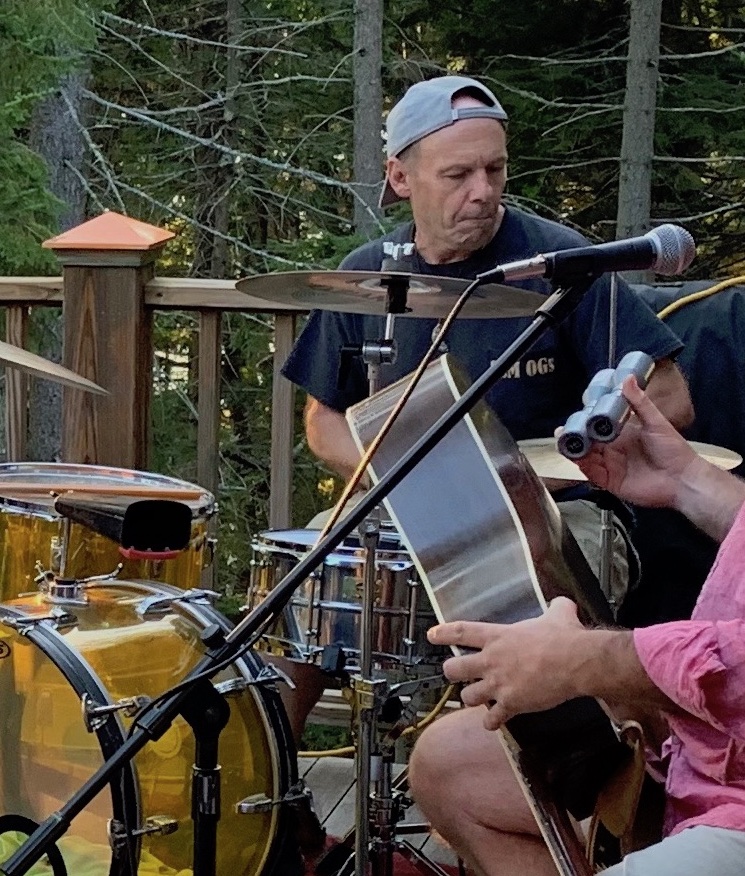
• DRUMMER JEFF GLIDDEN has been nominated for induction into the Maine Blues Hall of Fame! Jeff revealed this information on his Facebook page. See here the relevant bits, which we’ve duly highjacked:
“I was nominated for The Maine Blues Hall of Fame. Me. Totally out of the blue and unexpected. I don’t expect to be inducted, which is totally cool. I don’t see myself as necessarily a drummer of a certain style. When I was young, I admired the drummers who played with everyone: Gordon, Keltner, Porcaro, Gadd and later down the line John Molo (no one ever mentions John, who can play with anyone) and Jeff Sipe, of course. And Vinnie, naturally. But I’ve always wanted to be like them. Able to step into any situation. So, for me, the nomination is more than enough. I thank the Maine blues community for their faith in my abilities.
“Following that thought, I have had the good fortune to play with A LOT of different musical acts. Original and cover. Everything from my Allmans tribute, to original blues with Cryin’ Out Loud and Noah Watts & The Backwoods Blues Revue, to original Americana with Pocket Full of Mumbles and Matt Newberg … to the band that does it all, Time Pilots.”
Truth is, all the members of PFOM play with other bands, but we’re thankful to have Jeff holding things down/together. He also plays in two of Maine’s top Grateful Dead tribute bands — a particular comfort on Mumblecovers like Uncle John’s Band, with its crazy 7/4 time signature. We’ll be playing that one Sept. 5 at Allagash, for the record.
• TIM HOWIE, our pedal steel virtuoso, caught a skunk this week. Thinl about that for a moment: No small feat. Apparently, the varmint had been stealing eggs out from under Tim’s chickens.
This news may not strike the reader as particularly PFOM relevant. However, the band does practice mainly in the loft of Tim’s Barn in West Gray. What’s more, he was able to turn this trapping trick without any … malodorous fallout.
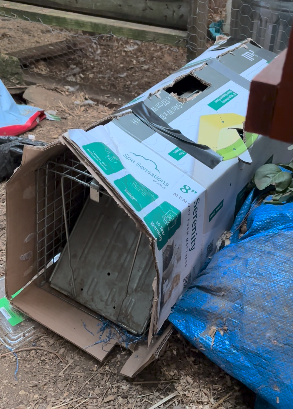
“Nope. Never sprayed,” Tim reported the fateful morning. “I wrapped the trap in cardboard before I set it. When I realized the skunk was caught, I threw a tarp over the trap and talked to it — got it calm. Then I slowly picked it up, set it in the gorilla cart and wheeled it away from the chickens. Then I went to work. I guess I’ll take it for a ride tonight.”
• The cup of HAL PHILLIPS, the Mumbles’ primary Dumptruck enthusiast, has runneth over. The last week in August, he learned of a September reunion show down in Medford, Mass. Then, on YouTube, he stumbled upon a new mini-doc that pegs these seminal Boston-based post-punks as a band that really “should have been big!!”
“That’s part of the title, and the documentary is pretty good,” Phillips says. “But the comments are REALLY good. Diverse and full of interesting details and observations on all things Dumptruck. It’s a comfort to know that I’m not alone out there.”
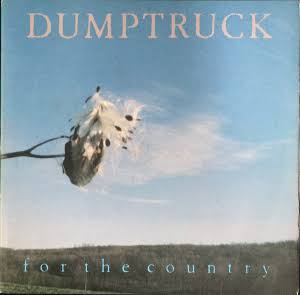
The 1980s were replete with college-radio darlings that never became the next REM. But few put out an album quite so accomplished as “For the Country,” Dumptruck’s 1987 release from Bigtime Records. Some argue this was the very first “alt-country” album, influencing acts from The Jayhawks, to Ryan Adams, to Pocket Full of Mumbles…
Unfortunately, it all went wrong when Bigtime ran out of money after “For the Country” was issued. The evil suits wouldn’t release the band from its contract. The legal tussle meant no more recordings from Dumptruck until 1994. By then, the moment — their moment — had passed.
“I was living in Boston when word of this standoff with Bigtime got around,” Phillips recalls. “My housemates and I got drunk one night and sent the band $50 for their legal defense fund. They sent us a thank you note and a cassette with 4 new ‘demo’ songs that would never be released. One of those tunes is ‘Ghost Town,’ which we will perform at Allagash on Sept. 5. Dumptruck front man Seth Tiven later adapted the song into a track on ‘Days of Fear’ (1994) called ‘Turn Away.’ I’m glad we stuck to the original, and, like most things, it sounds way better with pedal steel.”